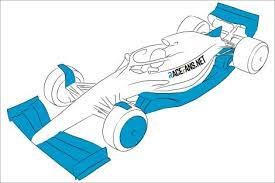
The Formula is changing. In 2022 we will see the largest single regulation change in F1 history. As is always the case in Formula 1, the rule makers want to create better, more exciting racing and in this version of the Formula, they are stripping everything to basics and changing the aerodynamic philosophy of the sport. Formula 1 has been busy over the last four years researching, testing and simulating their way to the best solution. The numbers have been mindboggling, they have conducted over 7500 simulations, created over 21 iterations of the design for the car and have collected half a petabyte of data to work from. This is enough data to fill 10 million standard four drawer filling cabinets full of paper. After all of this, what have they decided I can hear you ask? Well, you came to the right place. In this article I will do my best to explain the upcoming regulation changes and the ways in which they will change the spectacle, hopefully for the better. The changes can be conveniently put into three areas of the car: the aero, the tyres and the fuel. By far the largest is in the aero department so let’s start there.
Venturi Effect
The aerodynamic performance of the 2021 cars was the best it has ever been. They cornered quicker than any car in history. Their large wings, winglets and other devices spread over the car helped to push it into the ground, creating grip and stability in corners that cars have no business taking so quickly. This effect is called downforce. However, with great performance does come pitfalls. This performance is gained by manipulating the air that passes over their car in a way which helps this suction effect and sticks the car to the ground. Formula 1 cars perform best when running in undisturbed air but once they pass through it, the air is heated and energised so doesn’t flow over the car behind as expected. Imagine the difference in water before and after a boat has moved through it. If you stand at the back of a boat, you will see this ‘wake’ of disturbed, almost bubbly water. This is the same effect that an F1 car has on the air around it. If you were to drive a boat through that ‘wake’ you will be bouncing all over the place and probably feel quite sick. Within 20 meters of another, a 2021 F1 car would lose 35% of its aerodynamic efficiency and thus performance. Within 10 meters, they lost 46%. This is a massive amount when they rely so heavily on it for performance. This means that it is very hard for a car behind to be able to drive quick enough in this ‘dirty air’ to get close enough to pass the car in front. It is estimated that to pass in F1 the car behind has to be, on average, a second and a half quicker and in a formula that is so close, this is hard to do.
This new era of Formula 1 aerodynamics has two main aims:
- To reduce the wake or amount of dirty air that the car in front produces.
- To make the car behind less sensitive to this disrupted or dirty air.
While the previous aero philosophy had been to push the majority of the air over and around the car, the new one is to direct it underneath and then up over the top of the curved rear wing. This principle of using the underside of a racing side to generate negative pressure which produces downforce is commonly known as ground effect.
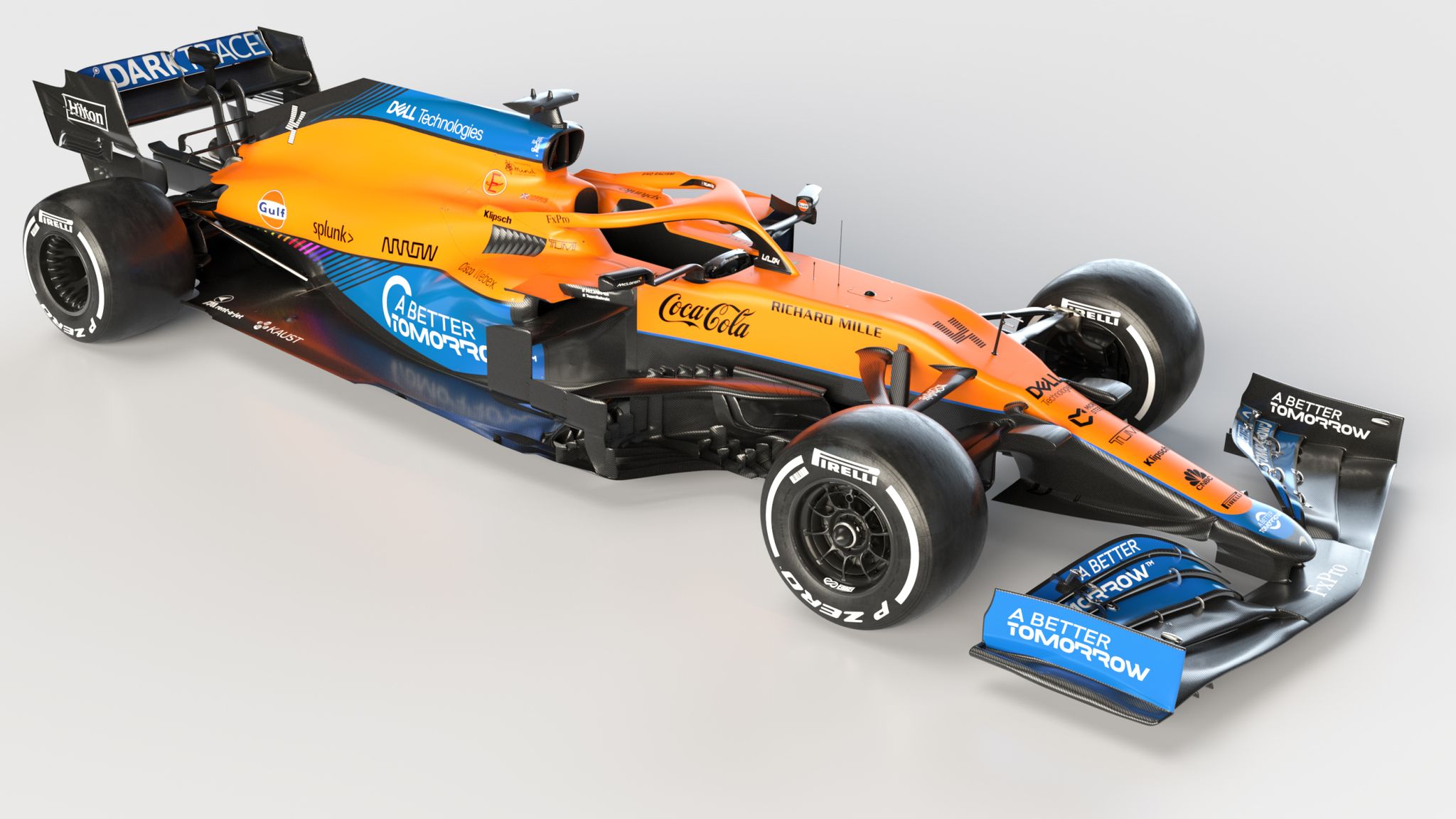
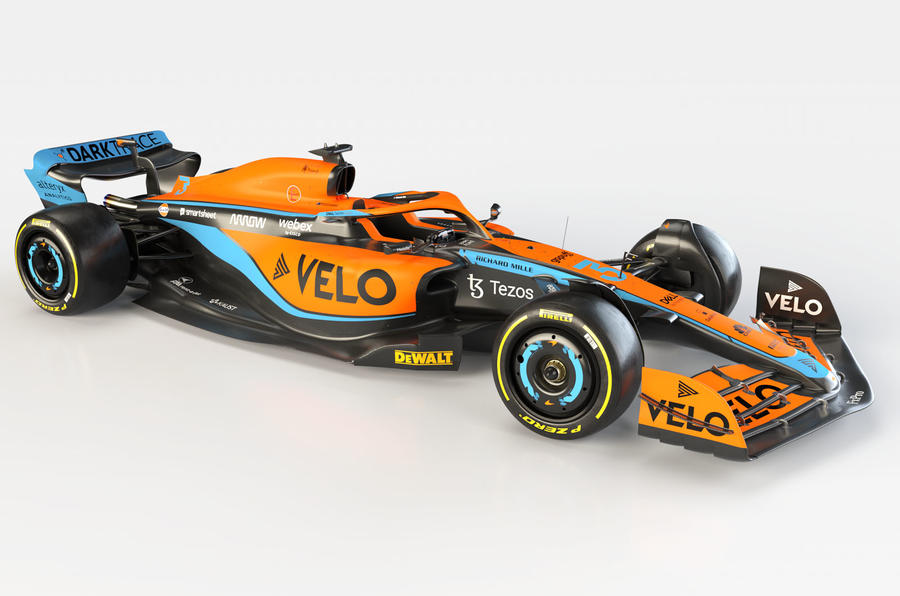
Ground effect has history in Formula 1, with the cars of the late 70s and early 80s deploying this aerodynamic phenomenon to gain performance over their rivals still relying mainly on mechanical grip and rudimentary wings. The difference between then and now is then’s use of ‘skirts’ around the edge of the car to direct and trap in the air between the underbody of the car and the road, while the new era sends it underneath as part of a more compact chassis. The Lotus 79 below demonstrates these skirts, the structure where the Olympus advertising sits while the McLaren MCL36 contrasts its with more compact bodywork and use of sidepods (look for DeWalt) behind the front tyres to direct the air to the floor.
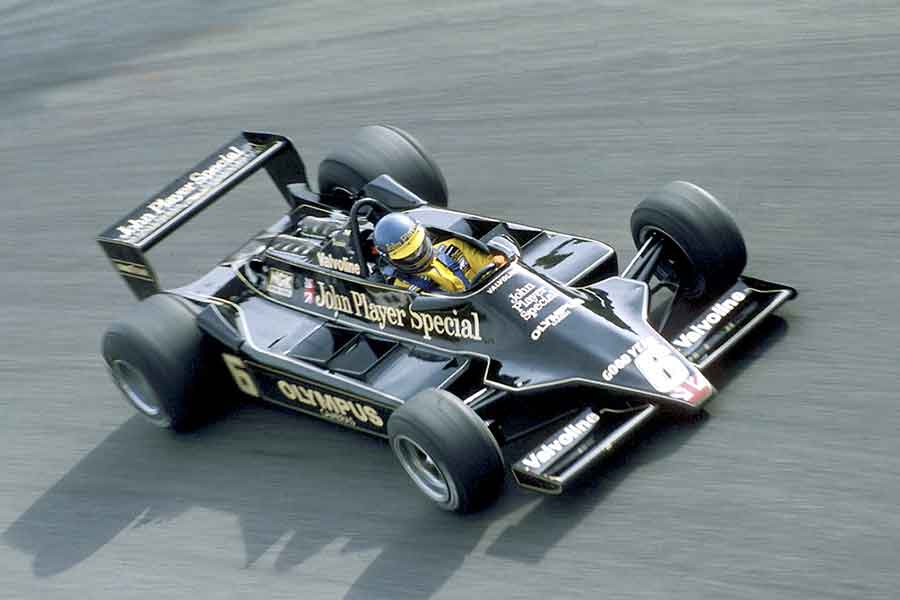
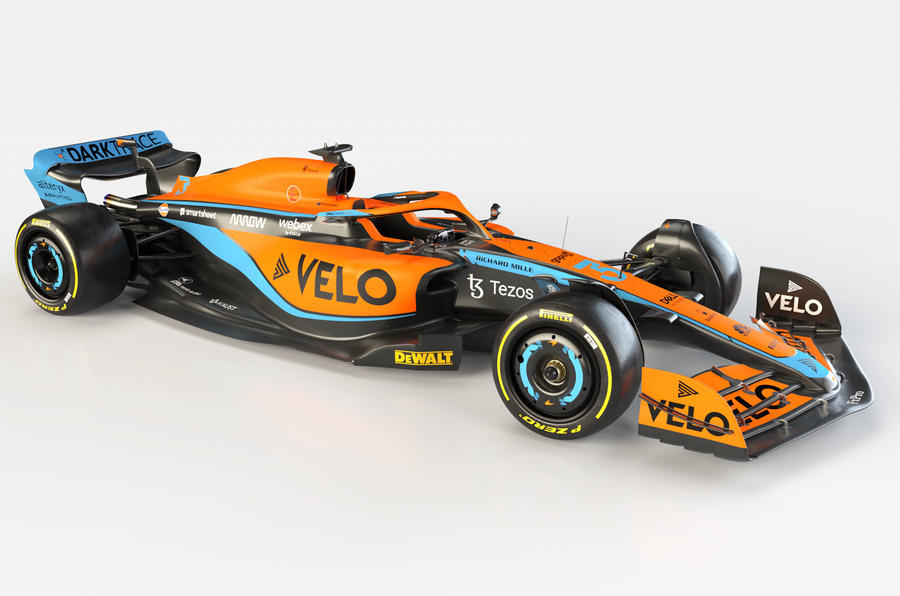
Pictured: Ronnie Peterson in the Lotus 79 & McLaren MCL36
This new era of ground effect relies on what is known as the Venturi Effect. The theory is that you create an area of lower pressure by isolating and squeezing air into a narrowing tunnel, which speeds it up. This area of lower pressure on the floor creates a downwards suction and pushes the car into the ground. The bodywork traps the air in that ‘Venturi tunnel’ and because downforce is generated elsewhere, it doesn’t require as many exterior aero devices. As a result, the car is smoother so doesn’t energise the air travelling over the car behind as much. This should mean the car behind can follow much closer, for longer without losing as much performance. From the simulations that Formula 1 have run with cars at the 2022 specifications, it is estimated that the loss of downforce at 20 meters will be reduced to 4% and 18% at 10 meters. This is way down from the 35% and 46% of the current crop. This should hopefully make the cars easier to race and provide the drivers with conditions in which they can be aggressive and fight without everything overheating and losing performance.
18-inch Wheels
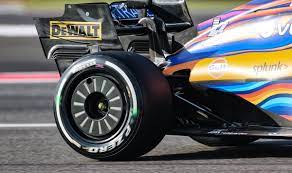
The aerodynamics aren’t the only area of the cars that is getting an uplift in 2022. The tyres are going from 13-inch to 18-inch rims and are losing some of their profile. Losing their profile means the amount of rubber on the tyre’s rim is being reduced. Despite the obvious visual difference, these changes have a big effect on the tyre’s performance. The new low profile tyres won’t deform or move as much under lateral forces, meaning they won’t overheat as easily. This should mean that the drivers can push for longer and run close together without burning them out. The tyre revamp is not just to help their performance but has also been incorporated into the aerodynamic philosophy. The tyres will now have covers. This is to help control the amount of heat ejected from the tyre rims which will reduce the wake created by them. The front tyres will also include winglets on the inside plane of the tyre to help direct air into the Venturi tunnels on the floor of the car, rather than it being pushed outside. The pictures below will probably do a much better job of describing the looks than me.

E10 Fuel
The final area of change on the new breed of F1 cars is in the fuel. In an effort to move towards running completely sustainable fuel by 2025, the new fuel compound will include 10% sustainably produced ethanol alongside 90% petroleum product. While helping sustainability, it also theoretically takes away 20 horsepower but the whispers from the engine manufacturers seem to indicate that they have already found that performance back, highlighting their adaptability and problem solving power.
What to expect
While the regulation change is aimed at making the racing closer, this reset of the rules also gives the teams a fresh start and an opportunity for the pecking order to change. A team lower down the grid could find a better solution to the new regulations and move up the grid as the others try to replicate their idea. This has happened at the previous two big changes: Brawn and Red Bull in 2009 and Mercedes in 2014. Ironically, this is the same team that the new regulations have been partly created to reel in. With the new wind tunnel restrictions, the teams at the bottom of the championship get more time using theirs, so this should give them even more of a chance to move up. Ferrari in particular will benefit from their terrible 2020 as that sixth place finish has granted them a lot more time in their wind tunnel than the frontrunners over the last year, as per the regulations. Expect them to be quick. While the regulations can cause a shake-up, don’t be surprised to see Mercedes and Red Bull right up there when points are on offer in Bahrain, as is the sheer quality of those two teams. One thing I am hoping for this season is for a variety of winners as the teams and drivers get used to and learn more about these new breed of machine across the different tracks. I am sure performance levels will vary great between the circuits in the first quarter of the season.
After the F1 shakedown in Barcelona, the cars looked amazing and the drivers, particularly the Ferrari drivers had complementary things to say about the desired effects F1 has been seeking (see above). This all bodes well for, hopefully, another highly competitive and unforgettable chapter in the high speed journey that is Formula 1.
 The Perfect Formula