1968 was a big year for turning points in F1 history – so big it needs two articles. Three innovations from 1968 would change the face (quite literally) of F1. Two were on-track and one off-track. Let’s start off-track.
Sponsors
Heading into the 1968 season, the oil companies BP and Shell decided to pull out of F1 at the same time as tyre supplier Firestone withdrew their free supply to F1 teams. This left F1 in serious financial trouble, so it decided to allow sponsorship for the first time. Previously the cars would run with no badging and would be in the national colours of the manufacturer, but sponsorship instantly changed the way F1 looked and was financed. The first team to run sponsors was the privately run Gunston team, who adorned the livery of their title sponsor – Gunston cigarettes – at the opening Grand Prix in South Africa. This was the only F1 race they would enter that year to promote their product to their largest market – showing instantly that F1 had already become more than a sport. The cigarette sponsorship would not stop there. 11 other cigarette companies would sponsor 22 F1 teams until they were banned in the mid-2000s. It wasn’t just tobacco that jumped in to sponsor F1 teams; fuel, oil, alcohol, tyre and even condom companies moved in as they saw the commercial value of these cars as moving billboards. The range of high-end brands that adorn the cars, race suits and team merch today help fund one of the most expensive sports in the world. Whatever you think of the corporate world that sponsors has created, without them, it’s very likely F1 wouldn’t be around today.
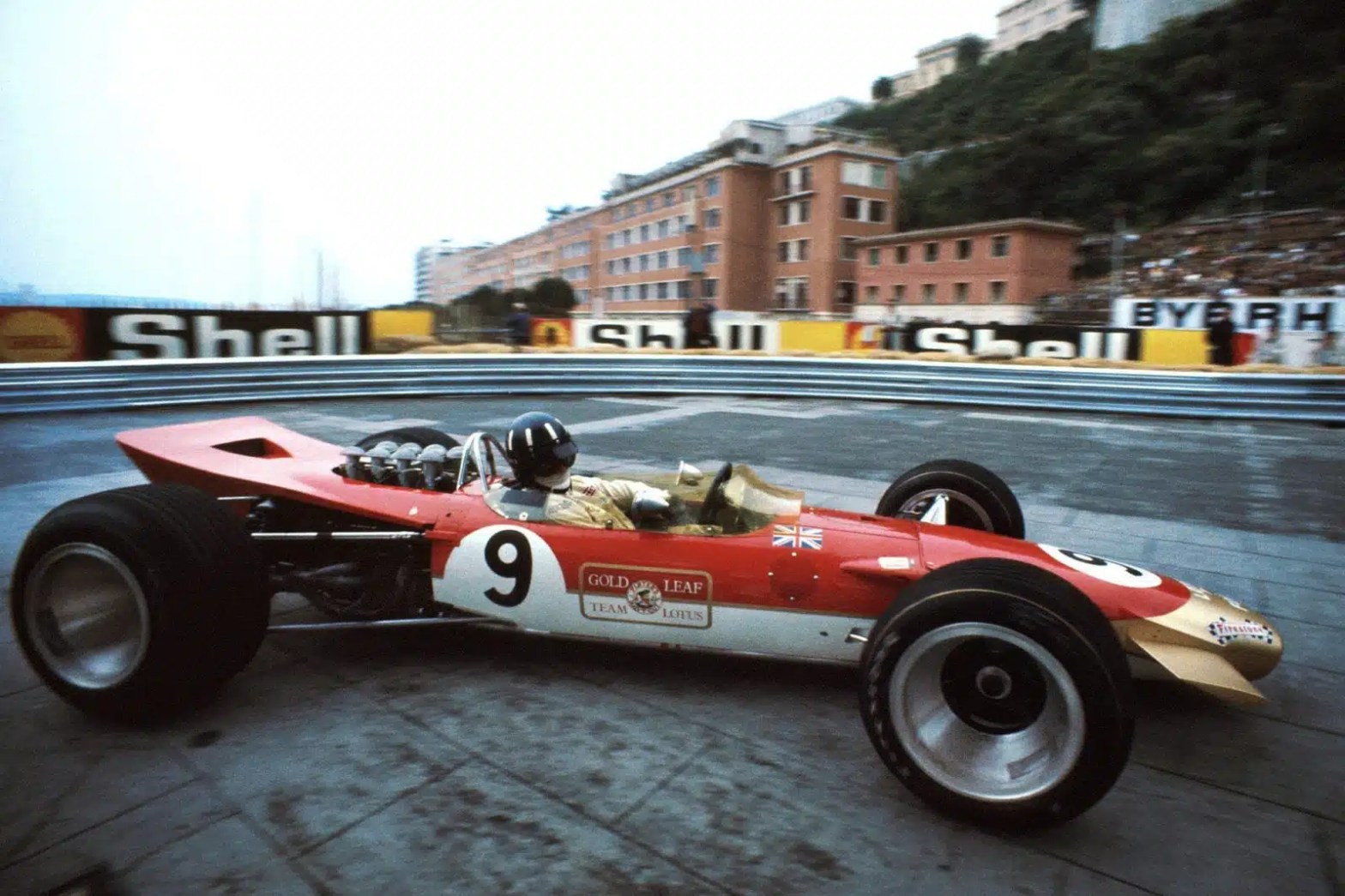
This introduction of sponsors immediately created one of the most iconic F1 liveries – the Gold Leaf Team Lotus car. In the wake of Jim Clarke’s death in April, Lotus and Colin Chapman turned up to the second race of the season in Spain with their car glistening in the famous red and gold. It was reported that this sponsorship raised £1.2 million for the team. This money was clearly well spent as at Monaco, they introduced the single most important development in the sport’s history: wings.
Wings
Before Monaco 1968, F1 cars relied solely on mechanical grip from the tyres to get around corners but this was about to change. Colin Chapman had been plotting this innovation for some time after being convinced that the effect an aeroplane wing has on a plane – to lift it into the air – could work in the opposite direction for an F1 car – to push it into the ground. He described its effect with my favourite F1 term – negative lift. The unique characteristics of the Monaco street circuit, being extremely tight and twisty meant it was the perfect place to try his new toy.
The Lotus 49B would have two small wings poking out each side of the front chassis with an aerofoil rear wing which was basically a large dinner tray attached to the rear engine structure. While they didn’t look like much, their unseen effect was massive. They worked by manipulating the air as they passed through it, creating a speed differentiation between the air passing over and under them, which in turn created a low-pressure area underneath the car. This low-pressure area produced a suction effect that pushed the car into the ground. This meant the tyres experienced a much higher load and a larger contact patch with the ground, producing much more grip. While these wings were very rudimentary by today’s standards, in 1968 they were revolutionary and very effective. Graham Hill took pole position and the win in the Lotus 49B’s first outing, and once again, F1 would never be the same.
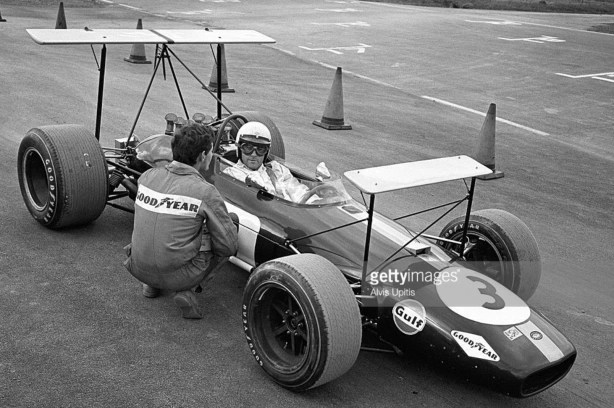
By the time of the next race in Belgium, Ferrari and Brabham had gone one better, installing rear wings on struts high above the car, while Matra had installed a full-length front wing. They even added a high front wing on struts but that was only used in practice as it was quite hard to control. The teams would go back and forth throughout the year producing more and more sophisticated set ups and by the end of the year, most teams had installed wings on their cars. Wings have been used as the primary producer of downforce in F1 for decades, except for the ground effect years of the 1980s and now, from 2022 onwards. Negative lift, or downforce as we now know it (but I prefer negative lift), lay the foundations for F1 to separate itself from other engine-powered series in terms of performance.
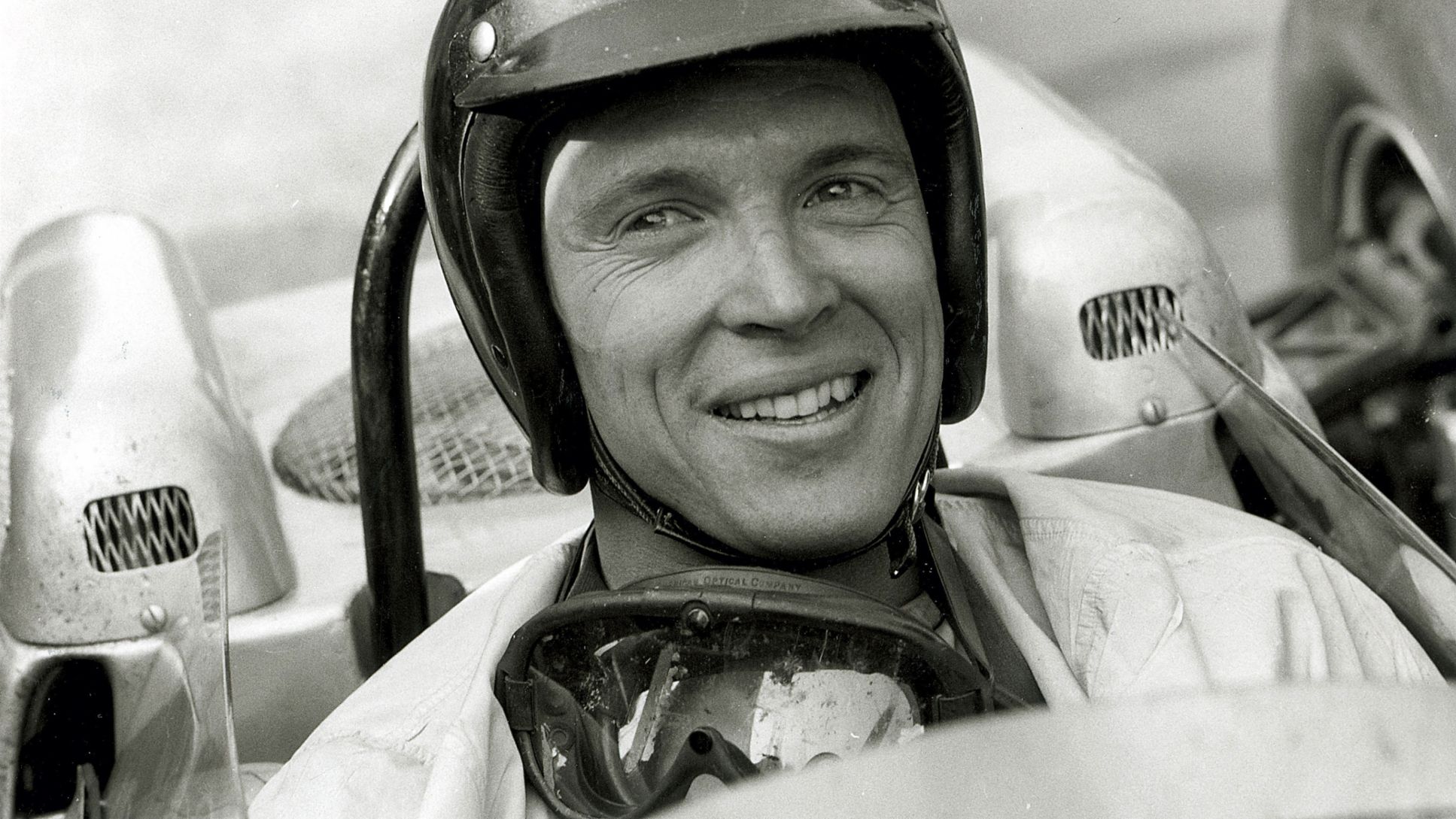
The final innovation of 1968 was the introduction of full-face helmets for drivers. While it was essentially a safety measure it did drastically change the driver’s look. Going from looking like they were about to jump into a World War 2 bomber, to slick, futuristic astronauts. It symbolised F1’s continued technological evolution.
Dan Gurney was the instigator of this particular evolution, being the first driver to wear a full-faced helmet at the German Grand Prix. He had helped to invent it with the Bell Helmet Company, who still supply half of the F1 grid. Once Gurney wore one at the Nürburgring, other drivers followed suit and they became mandatory from 1970 onwards.
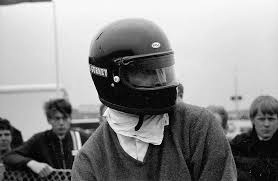
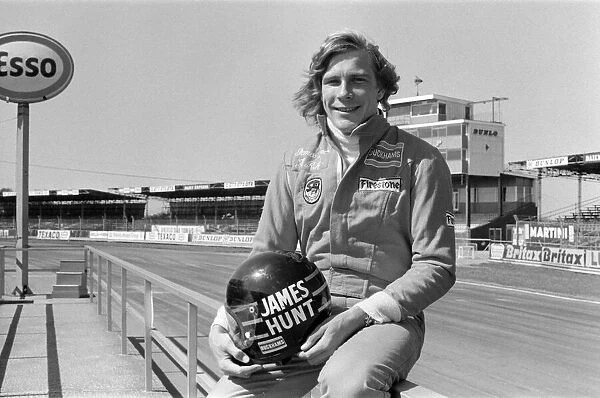
While some drivers had used their helmets to distinguish themselves while in the car before full face became the norm – Graham Hill and Jackie Stewart come to mind – this full face change gave drivers more freedom to show their individuality and they became a symbol of the driver. My favourite of this era was James Hunt’s, which had his name written in big letters on the side – just to leave no room for doubt.
Looking back at this, 1968 has an argument to be one of the most influential years in F1 history – if you think you know a year that tops this, let me know in the comments.
Until next time.
 The Perfect Formula